
What Winter Reveals About a Kelowna Home That Summer Showings Can Miss
A home can look exceptional on a sunny afternoon in July. The patio doors are open, the landscaping is lush, natural light fills the rooms and the Okanagan lifestyle practically sells itself.
Visit that same property in November or December, and you may notice entirely different things.
How well does the house retain heat? Is the driveway easy to use when temperatures drop? Are the windows collecting condensation? Does the backyard still feel functional without the landscaping in full bloom? And what happens to the natural light when the days become shorter?
These aren’t necessarily reasons to avoid a property. They’re details that help buyers understand what living there will actually be like.
For anyone buying a home in Kelowna during the colder months, winter can provide an unusually valuable perspective. Some of the characteristics that matter most to long-term comfort and ownership become much easier to recognize when the weather isn’t doing the property any favours.
A Beautiful Summer Home Isn’t Always a Comfortable Winter Home
Kelowna’s warm summers are one of the region’s greatest attractions, but our homes need to perform through four distinct seasons.
During a summer showing, buyers naturally gravitate toward outdoor living areas, views, landscaping and the connection between indoor and outdoor spaces.
In colder weather, the focus often shifts to comfort.
A large, open-concept living area with expansive windows may feel bright and inviting in August. In December, those same windows and high ceilings can make heating performance, insulation and air circulation much more noticeable.
You may discover that one room feels considerably cooler than another or that a lower-level living space doesn’t maintain the same temperature as the main floor.
These differences don’t automatically indicate a serious problem. However, they can raise useful questions about the home’s heating system, insulation, window performance and overall energy efficiency.
A winter showing gives buyers an opportunity to experience the property under conditions that are difficult to reproduce in the middle of summer.
Windows Tell a Different Story When Temperatures Drop
Windows are one of the first places buyers may notice seasonal differences.
In warm weather, the focus is usually on natural light, views and how easily windows open.
During winter, you may become more aware of drafts, condensation, cold glass surfaces and differences in temperature near large windows or patio doors.
Some condensation can occur because of indoor humidity and outdoor temperature differences. Persistent moisture, significant drafts or visible deterioration around window frames may warrant further investigation.
This is particularly relevant in homes with large expanses of glass overlooking Okanagan Lake.
Those windows can be one of the property’s most appealing architectural features, but buyers should understand their condition and performance.
Ask about the age of the windows, whether they’ve been replaced, and whether the current owners have experienced problems with condensation, drafts or moisture.
The objective isn’t to avoid homes with beautiful windows. It’s to understand what you’re purchasing beyond the view.
The Driveway You Love in August May Feel Different in January
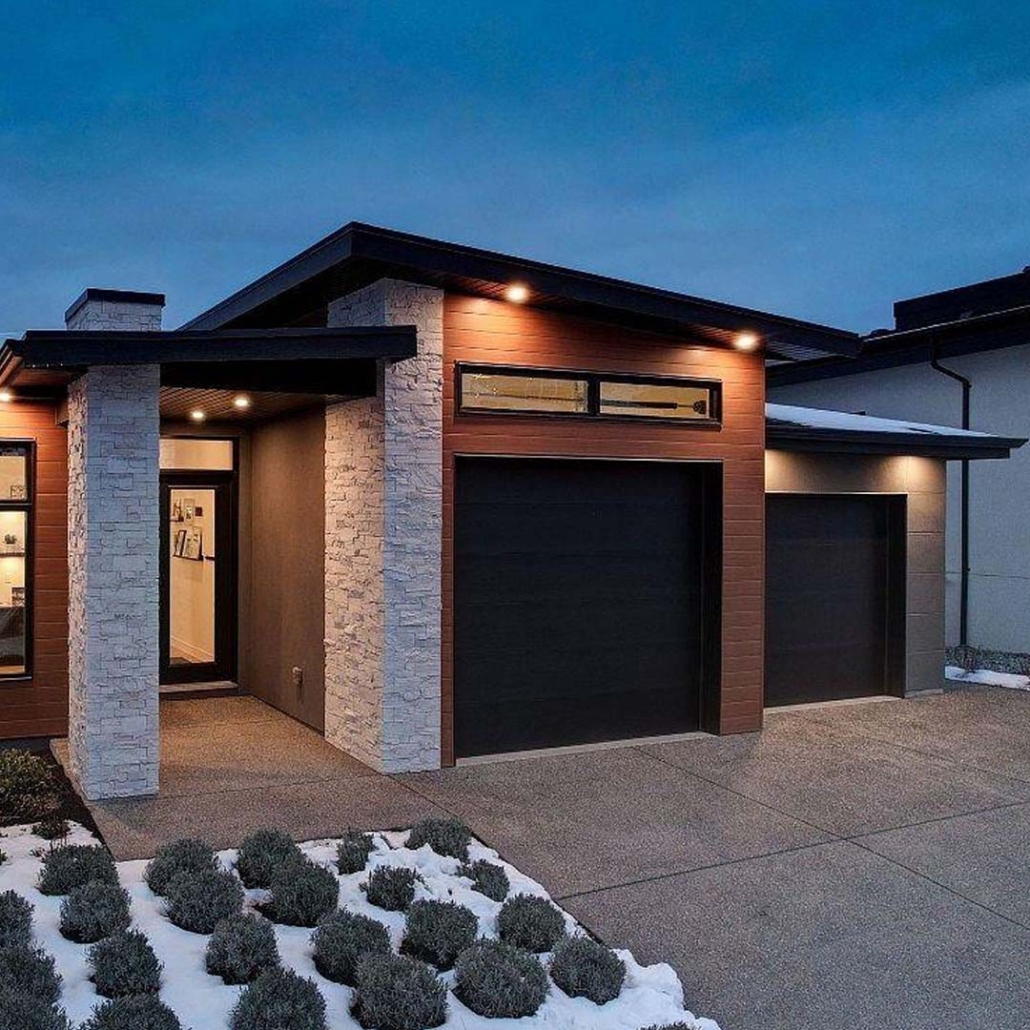
Kelowna’s topography creates some spectacular residential settings, particularly in hillside communities.
But elevation, driveway grade and road access can have a greater impact on daily life during winter.
A steep driveway that seems perfectly manageable on a dry autumn afternoon may require additional care during freezing conditions.
For some households, this is a minor inconvenience. For others, particularly those with multiple vehicles, frequent visitors or mobility concerns, it can become a meaningful consideration.
Look at the driveway’s slope, surface, drainage and available parking.
Is there enough room to turn around? Can vehicles enter and exit comfortably? Where would snow be stored after clearing the driveway? Is the entrance shaded for much of the winter?
These practical details are particularly important when considering properties in Kelowna’s elevated neighbourhoods.
As we discussed in Is the View Worth It? What to Know Before Buying a Hillside Home in Kelowna, a remarkable outlook can come with compromises that deserve careful consideration.
Winter provides another opportunity to evaluate those compromises before making a purchase.
Natural Light Changes More Than Buyers Expect
One of the more overlooked differences between summer and winter showings is how much natural light a property receives.
Kelowna enjoys long summer evenings, but the sun sits lower in the sky during winter and daylight hours are considerably shorter.
A home surrounded by mature trees, neighbouring buildings or steep terrain may experience very different light conditions depending on the season.
This can be particularly noticeable in lower-level suites, north-facing rooms and properties situated against hillsides.
A living room that feels bright during a summer afternoon may receive limited direct sunlight in December.
Conversely, a home with thoughtful window placement and favourable exposure may feel wonderfully bright even during the shortest days of the year.
Pay attention to which rooms receive natural light and when.
If you’re seriously considering a property, viewing it at different times of day can be worthwhile.
This is especially important for buyers who work from home, spend considerable time indoors or place a high value on bright living spaces.
Winter Can Reveal Drainage and Moisture Concerns
Water management is an important consideration for any home, regardless of season.
In Kelowna, winter weather and seasonal temperature changes can make certain drainage issues more apparent.
Look for areas where water collects near the foundation, downspouts that discharge too close to the house, or evidence of moisture around basement walls and lower-level rooms.
Ice accumulation in unexpected locations can also raise questions about drainage and grading.
On sloped properties, water movement deserves particular attention because runoff may travel across retaining walls, landscaped areas and neighbouring lots.
Not every moisture concern is visible during a showing, and the absence of obvious problems doesn’t guarantee that drainage systems are functioning properly.
A qualified home inspector can help identify issues requiring further investigation, while specialized assessments may be appropriate for more complex properties.
The benefit of a winter viewing is that some conditions become easier to observe when the weather places additional demands on the property.
Heating Systems Become Much More Relevant
During a July showing, buyers may spend considerable time asking about air conditioning.
By November, the heating system becomes equally important.
Kelowna homes use a variety of heating arrangements, including natural gas furnaces, electric systems, heat pumps, radiant heating and combinations of different technologies.
The type of system matters, but so do its age, maintenance history, operating costs and ability to heat the property consistently.
Ask when the equipment was installed and whether servicing records are available.
If the home uses a heat pump, it’s worth understanding how the system operates during colder weather and whether supplemental heating is provided.
For larger homes, suites or properties with several levels, consider whether different areas have separate temperature controls.
Buyers can also request utility information to better understand seasonal operating costs, recognizing that consumption depends on household size, personal preferences and previous occupancy patterns.
A beautiful home should also be comfortable to live in, and heating performance is part of that equation.
What Happens to the Outdoor Space When Summer Ends?
Outdoor living is central to the appeal of many Kelowna properties.
Pools, patios, outdoor kitchens, gardens and landscaped yards can be particularly attractive during the warmer months.
But buyers should consider how these features function throughout the rest of the year.
A large deck may be wonderful for summer entertaining, but does it provide useful access to the yard during winter? Are exterior stairs sheltered or exposed? Does the property have convenient storage for seasonal furniture and equipment?
A swimming pool can be a significant lifestyle feature, but it also introduces seasonal maintenance responsibilities.
In our earlier article, Does a Swimming Pool Really Add Value to Your Kelowna Home?, we explored why a pool’s value depends heavily on the buyer and the property.
Winter is an excellent time to consider the ownership side of those amenities rather than focusing exclusively on their summer appeal.
A property with elaborate landscaping may also require irrigation maintenance, pruning, seasonal cleanup and other ongoing care.
None of these responsibilities should necessarily discourage a purchase. They should simply be understood before committing.
Don’t Overlook the Garage, Storage and Everyday Access
During summer, buyers may focus on the home’s living areas and outdoor entertaining spaces.
As winter approaches, practical features often become more important.
A garage that comfortably accommodates vehicles, bicycles, sports equipment and storage can make a significant difference to everyday convenience.
The same applies to mudrooms, covered entrances, accessible storage areas and functional laundry spaces.
For households that enjoy skiing, snowboarding or other winter activities, having somewhere to store and dry equipment can be especially useful.
Think about how the property supports the routines you actually have.
Is there a convenient place for wet boots and coats? Can you unload groceries without navigating icy stairs? Is there enough storage for seasonal equipment?
These details may not feature prominently in listing descriptions, but they can have a lasting impact on how much you enjoy a home.
Winter Doesn’t Necessarily Mean Fewer Opportunities
Some buyers assume that the best time to purchase real estate in Kelowna is during the spring or summer.
Those seasons certainly offer advantages, including longer days, easier access to outdoor areas and the ability to see landscaping at its best.
However, buyers who remain active during the colder months may encounter properties that suit their needs without waiting for the next traditional spring market.
The number of available listings, competition between buyers and negotiating conditions can change from month to month. Winter doesn’t automatically mean lower prices or stronger negotiating power.
What matters is understanding the current market and evaluating individual properties on their merits.
As we explored in What $1 Million Buys You in Kelowna in 2026, buyers with similar budgets can pursue remarkably different lifestyles.
The season in which you purchase should be one consideration, not the deciding factor.
A Winter Showing Is Valuable, but It Doesn’t Replace Due Diligence
There are advantages to seeing a property during colder weather, but there are limitations too.
Snow can conceal roofing details, landscaping, grading and exterior surfaces. Frozen ground may prevent certain inspections, while pools and irrigation systems may already be winterized.
A buyer may need additional documentation, specialist inspections or arrangements to evaluate components that cannot be properly tested at the time of purchase.
Depending on the property and transaction, appropriate contractual conditions or other protections may be worth discussing with your REALTOR® and qualified professionals.
The goal is to make sure that seasonal limitations don’t leave important questions unanswered.
A winter showing provides valuable information, but it should form part of a broader investigation into the home’s condition, maintenance and suitability.
Buying a Kelowna Home Is About More Than the Season
A property that impresses you in July should still work for your lifestyle in January.
The same is true in reverse.
A home that looks less dramatic without its summer landscaping may offer excellent natural light, comfortable living spaces, practical access and features that make year-round ownership easier.
The challenge is recognizing those qualities and understanding how they compare with the property’s price and location.
At JONES | MILES Realty Group, Wes Jones and Kaeden Miles help buyers evaluate the complete property, not simply the features that photograph well.
Their local experience can help buyers consider Kelowna’s varied neighbourhoods, hillside settings, property types and seasonal conditions while keeping the focus on what matters most to the people who will live there.
Whether you’re searching for a family home, downsizing or relocating to the Okanagan, a thoughtful purchase considers how the property performs throughout the year.
Thinking about buying a home in Kelowna this winter? Connect with Wes Jones and Kaeden Miles to explore available properties and find a home that suits your lifestyle in every season.
Frequently Asked Questions
Is winter a good time to buy a home in Kelowna?
Winter can be a good time to purchase, depending on your circumstances and available properties. Buyers can assess heating performance, natural light, driveway access and other seasonal characteristics that may be less noticeable during summer. Market conditions and listing availability should still guide the decision.
What should I look for when viewing a home in winter?
Pay attention to indoor comfort, window condensation, drafts, heating systems, driveway conditions, drainage, natural light and access to garages and storage areas. A professional home inspection remains important.
Are homes cheaper in Kelowna during winter?
Not necessarily. Seasonal changes in buyer activity don’t guarantee lower asking or selling prices. Pricing depends on property characteristics, inventory, demand and broader market conditions.
Can you inspect a home properly during winter?
Many important components can be inspected during winter, but snow, ice and frozen ground may limit access to roofing, landscaping, grading and some exterior systems. Buyers should discuss inspection limitations with their inspector and consider appropriate follow-up assessments.
Are hillside homes harder to maintain during winter?
Some hillside properties require additional attention to steep driveways, drainage, stairs and access during snow or freezing conditions. The extent of those responsibilities depends on the property’s design, exposure and maintenance arrangements.
Should I wait until spring to buy a house in Kelowna?
Waiting may provide a different selection of properties, but it can also mean encountering different competition and market conditions. Buyers who find a suitable property during winter shouldn’t assume that waiting until spring will automatically produce a better opportunity.





 Personal Real Estate Corporation

 Email:


Leave a Reply
Want to join the discussion?Feel free to contribute!